
A puzzle from forty years ago
When I was a boy, I had a little plastic puzzle: fifteen numbered tiles in a four-by-four frame, with one empty square. You slid the tiles around to put the numbers back in order — no screen, no batteries, just a satisfying click as they shuffled. I must have solved it a thousand times. Four decades later, I found myself describing it to my son, Adiv — what it felt like in your hands, the quiet little challenge of it.
Fifteen minutes that started everything
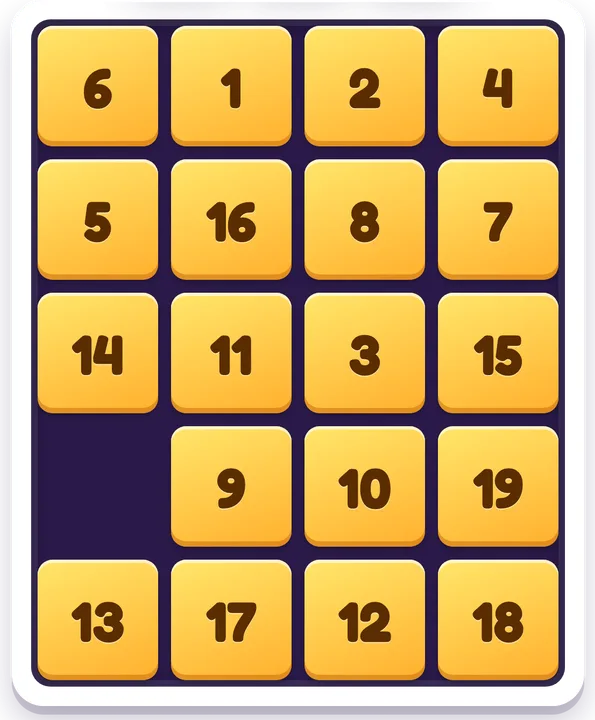
That conversation happened while I was teaching Adiv about generative AI. Half on a whim, I said: let’s see if we can bring my old puzzle back to life. We asked Claude to build it — not a plain copy, but a version for kids, with difficulty levels, pictures instead of bare numbers, and boards that scramble themselves yet always stay solvable. (There’s real math hiding in that last part: not every shuffle of a sliding puzzle can actually be solved.) About fifteen minutes later, in May 2026, we were playing it — and it was genuinely good. That very game is here: Slide Quest.
One game became six — and six became a website
Neither of us expected what that did to the weekend. We were hooked. By Sunday night we had made six games. Because they are built in HTML5, they run right in the browser — so the only thing standing between them and other kids was somewhere to put them. We sorted out hosting, picked a name, and iplay.free was born: a small, free, ad-free corner of the web.
Why it’s free — and always will be
We kept one rule from the start: no ads, no sign-ups, no tracking, nothing to buy. The puzzle I loved as a kid never asked me for anything; it was just there, in my hands, ready to play. That’s the feeling we want every child who lands here to have — no pop-ups to mis-tap, no accounts, no catch.
A dad, a teenager, and a fast-moving future
There’s a second story underneath the first. I grew up with a plastic puzzle; Adiv is growing up in a world where he can imagine something on a Friday and build it by Sunday. He’s still in high school, and learning to work alongside AI — to choose what’s worth making, build it, test it, and tell good from not-good-enough — may be the most useful skill we can practise together. iplay.free is how we practise it in the open: Adiv chooses which games we make, we build each one together with AI, and Adiv tests it before it goes live — and together we watch a forty-year-old memory turn into something a new generation can play.
— Jangul & Adiv Aslam