Free Geography Games for All Ages
Geography games turn the whole world into a playground — spot flags and locate countries while building a real mental map of the planet. They're completely free, with no ads, no sign-ups, and no downloads, and play instantly on any device.
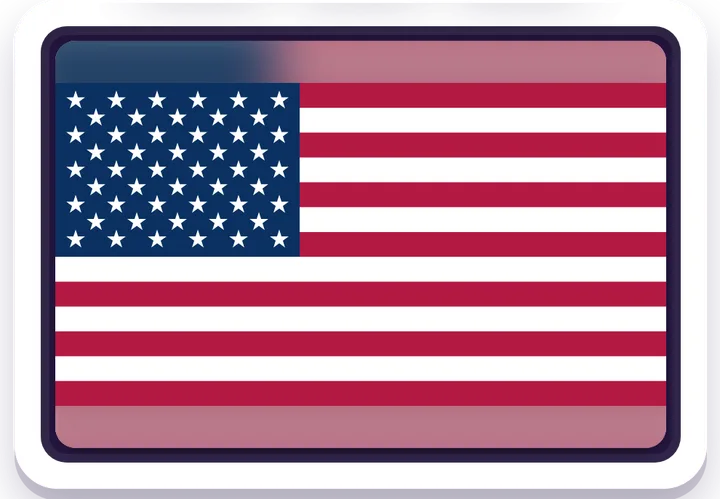
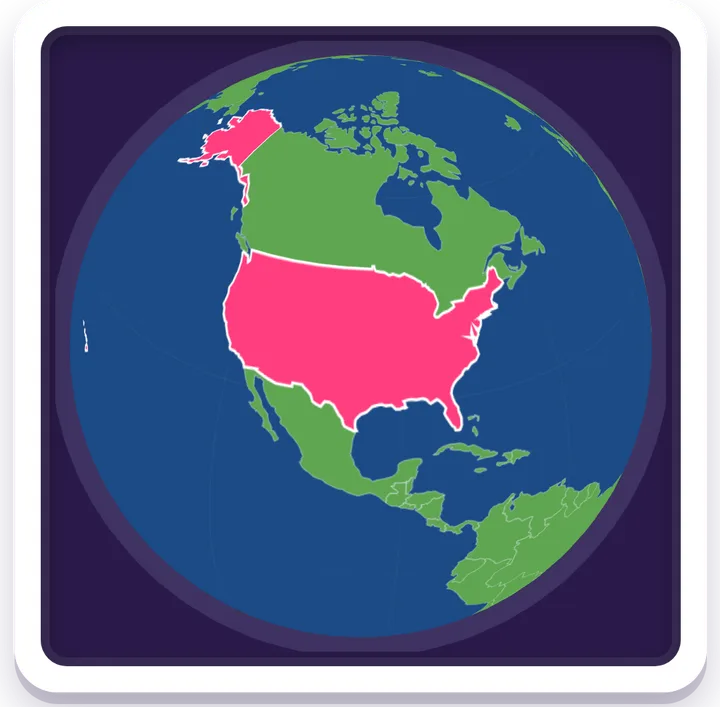
Two games, two ways in. Flag Guess shows a flag and asks which country it belongs to: Easy and Medium give you four names to pick from, Hard makes you type the answer, and a round is ten flags. Globe Trek is the harder of the pair — you're given a country and have to spin a real 3D globe to find it, eight countries a round. Start with flags, which children get startlingly good at, and move to the globe when you want the knowledge attached to a place rather than a picture.
Play these free games
What these games build
world knowledge, map skills, flag recognition, and memory.
Frequently asked questions
- What age are these free geography games for?
- From about age 7, once country names read comfortably. Easy in both games sticks to the big, famous countries, so early rounds stay winnable; Hard opens up every nation and, in Flag Guess, drops the multiple choice altogether. Plenty of adults find Hard humbling.
- Which one should we play first?
- Flag Guess. A round is ten flags with immediate feedback, and flags stick in the memory in a way outlines don't. Globe Trek is the better follow-up: finding a country on a globe you spin yourself tests whether you really know where it is, and it names the capital when a country is revealed.
- Do they help with school geography?
- They cover the recall side of it — country names, flags, capitals, and where places sit in relation to each other. Globe Trek is the more useful of the two for map skills, because a globe shows size and position honestly, without the distortion a flat classroom map introduces. Both draw on the world's roughly 195 countries, so the coverage goes well past the usual dozen.
- Can we play together, or use them in a lesson?
- Both work. Passing the device and taking turns is a fair contest, because flag knowledge doesn't follow age — children often beat their parents at it. In class, either game runs as a five-minute starter on the board, with everyone calling out an answer before the reveal.